
Ti5 Robotics 70-80 Lightweight Joint Module
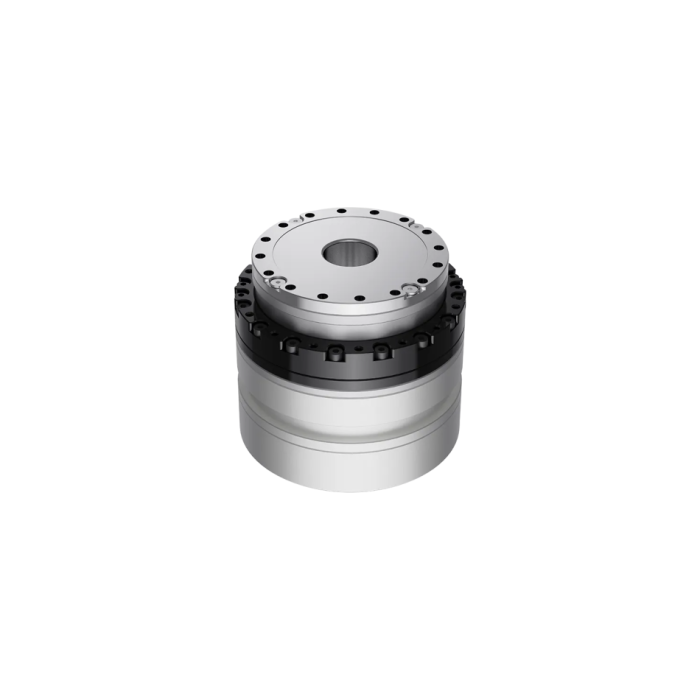
In stock
- ZNAČKA:
- TI5 ROBOTICS
- MODEL:
- 70-80
- ORIGIN:
- Čína
- Warranty:
- 12 MONTHS
- AVAILABILITY:
- SUBJECT TO AVAILABILITY
- SKU:
- Ti5-Robotics-Joint-Module-70-80
Ti5 Robotics 70-80 Lightweight Joint Module
Ti5 Robotics 70-80 Lightweight Joint Module is a modular, integrated rotary actuator developed for humanoid robots, collaborative arms, and other intelligent machines that demand compact, high-torque joints. The model 70-80 family combines a frameless motor, precision gear train, encoder feedback, and drive electronics in a single housing with an 18 mm hollow shaft. The manufacturer documents four joint versions of this module alongside four selectable gear ratios, allowing integrators to match torque, speed, and feedback configuration to the axis they are building rather than forcing a single fixed specification.
Background
Modular actuation for modern robotics
Robot designers increasingly favor integrated joint modules over discrete motor-gearbox-encoder assemblies. A self-contained module shortens the mechanical design cycle, simplifies cabling through its hollow shaft, and makes field maintenance a matter of swapping one unit instead of rebuilding a joint. Ti5 Robotics positions the 70-80 within exactly this philosophy: the vendor describes the product line as modular, lightweight, and highly integrated, aimed at flexible assembly, easier maintenance, improved mobility, and efficient use of space inside a robot limb or torso.
The 70-80 family at a glance
The source documentation lists four versions: CRA-RI70-80-PRO-2-XXX (standard), CRA-RI70-80-PRO-2-XXX-B (longer, heavier body), CRA-RI70-80-PRO-2-XXX-2E-EC (dual-encoder option with EtherCAT support), and CRA-RI70-80-PRO-2-XXX-B-2E-EC. The first three versions have published parameter tables; the fourth is named in the documentation but its parameter table is not provided, so its figures are not reproduced here. Across the documented versions, each module is offered with gear ratios of 51, 81, 101, or 121, and the gear-dependent performance table is identical for the documented versions. The 'XXX' in each code is a placeholder the manufacturer uses within the model designation.
Technical Specifications
The following tables preserve the published configuration distinctions. Blank, malformed, or ambiguous source values are not confirmation of a capability; confirm the selected configuration during quotation.
CRA-RI70-80-PRO-2-XXX
| Gear Ratio | Peak Torque (N.m) | Max Allowable Torque At Average Load (N.m) | Rated Torque @ 2000RPM (N.m) | Peak Speed (RPM) | Rated Speed (With 1/2 Rated Torque) (RPM) | Gear Backlash (arcsec) |
| 51 | 69 | 42 | 32 | 77 | 61 | 20 |
| 81 | 91 | 58 | 42 | 48 | 38 | 20 |
| 101 | 102 | 61 | 50 | 40 | 30 | 10 |
| 121 | 108 | 61 | 50 | 30 | 25 | 10 |
| Rated Power(W) | Supply Voltage(V) | Max Continuous Current(A) | Rated Current(A) | Torque Constant (N.m/A) | Encoder Resolution (bit) | Communication Bus |
| 500 | 24-48 | 8.4 | 6.1 | 0.118 | 16 | CAN |
| Hollow Shaft(mm) | Length(mm) | Mass(kg) | Inertia(g * c㎡) |
| 18 | 73±0.5 | 0.9 | 596.4 |
CRA-RI70-80-PRO-2-XXX-B
| Gear Ratio | Peak Torque (N.m) | Max Allowable Torque At Average Load (N.m) | Rated Torque @ 2000RPM (N.m) | Peak Speed (RPM) | Rated Speed (With 1/2 Rated Torque) (RPM) | Gear Backlash (arcsec) |
| 51 | 69 | 42 | 32 | 77 | 61 | 20 |
| 81 | 91 | 58 | 42 | 48 | 38 | 20 |
| 101 | 102 | 61 | 50 | 40 | 30 | 10 |
| 121 | 108 | 61 | 50 | 30 | 25 | 10 |
| Rated Power(W) | Supply Voltage(V) | Max Continuous Current(A) | Rated Current(A) | Torque Constant (N.m/A) | Encoder Resolution (bit) | Communication Bus |
| 500 | 24-48 | 8.4 | 6.1 | 0.118 | 16 | CAN |
| Hollow Shaft(mm) | Length(mm) | Mass(kg) | Inertia(g * c㎡) |
| 18 | 91.5±0.5 | 1.11 | 746.7 |
CRA-RI70-80-PRO-2-XXX-2E-EC
| Gear Ratio | Peak Torque (N.m) | Max Allowable Torque At Average Load (N.m) | Rated Torque @ 2000RPM (N.m) | Peak Speed (RPM) | Rated Speed (With 1/2 Rated Torque) (RPM) | Gear Backlash (arcsec) |
| 51 | 69 | 42 | 32 | 77 | 61 | 20 |
| 81 | 91 | 58 | 42 | 48 | 38 | 20 |
| 101 | 102 | 61 | 50 | 40 | 30 | 10 |
| 121 | 108 | 61 | 50 | 30 | 25 | 10 |
| Rated Power(W) | Supply Voltage(V) | Max Continuous Current(A) | Rated Current(A) | Torque Constant (N.m/A) | Encoder Resolution (bit) | Communication Bus |
| 500 | 24-48 | 8.4 | 6.1 | 0.118 | 16/18 | CAN/EtherCAT |
| Hollow Shaft(mm) | Length(mm) | Mass(kg) | Inertia(g * c㎡) |
| 18 | 73±0.5 | 0.99 | 624.19 |
How do the four versions of the 70-80 joint module differ?
The differences are mechanical packaging and feedback architecture rather than torque capability. The -B version extends the housing from 73 mm to 91.5 mm and raises mass from 0.9 kg to 1.11 kg with correspondingly higher rotor-side inertia. The -2E-EC version keeps the 73 mm length but adds a second encoder option (16/18-bit) and EtherCAT alongside CAN, at 0.99 kg. The -B-2E-EC designation combines both suffixes by naming convention, but because the source publishes no parameter table for it, buyers should confirm its specifications directly before committing a design. No single version's dimensions or mass should be treated as universal for the family.
Who is the Ti5 Robotics 70-80 Lightweight Joint Module for?
This module targets robotics engineers and OEM integrators building humanoid platforms, collaborative manipulators, and custom motion systems. It suits teams that prefer a validated, integrated joint over in-house actuator development, as well as research groups that need selectable gear ratios to prototype different joint behaviors. Buyers choosing between CAN-based control and EtherCAT-synchronized multi-axis systems can select the version that matches their control architecture.
What is the Ti5 Robotics 70-80 Lightweight Joint Module used for?
- Shoulder, elbow, hip, or knee joints in humanoid robot limbs where torque density and low mass matter.
- Axes of collaborative robot arms built from modular joint units.
- Industrial production automation mechanisms requiring compact rotary actuation, an application area the manufacturer lists.
- Scientific research and education platforms where selectable gear ratios support experimentation.
- Medical and rehabilitation robotics development programs, per the manufacturer's stated application categories.
- Commercial service robot prototypes where the hollow shaft simplifies cable routing through the joint.
Pricing and Availability
Pricing for the 70-80 family depends on the version, gear ratio, encoder configuration, and order quantity, so it is quoted on request rather than listed as a fixed figure. Availability and lead times vary with configuration. To obtain current pricing, submit a quote request specifying the version code, gear ratio, and communication bus you require, and a sales representative will respond with a tailored offer.
Frequently Asked Questions
What gear ratios are available for the 70-80 joint module?
Four ratios are documented: 51, 81, 101, and 121. Higher ratios increase peak torque (up to 108 N.m at ratio 121) while reducing peak speed; ratios 101 and 121 are listed with tighter 10 arcsec gear backlash versus 20 arcsec for ratios 51 and 81.
What communication interfaces does the module support?
The standard and -B versions communicate over CAN. The -2E-EC version is documented with CAN/EtherCAT connectivity and a 16/18-bit encoder resolution option.
What is the difference between the standard and -B versions?
The -B version is longer (91.5 ±0.5 mm versus 73 ±0.5 mm), heavier (1.11 kg versus 0.9 kg), and has higher inertia (746.7 versus 596.4 g·cm²). Published electrical and gear performance values are otherwise the same.
Does the module have a hollow shaft?
Yes. The documented versions provide an 18 mm hollow shaft, useful for routing cabling through the center of the joint.
What supply voltage and power does the module use?
Documented versions are rated at 500 W with a 24-48 V supply, 8.4 A maximum continuous current, 6.1 A rated current, and a torque constant of 0.118 N.m/A.
Are specifications published for the CRA-RI70-80-PRO-2-XXX-B-2E-EC version?
No. The source names this fourth version but does not publish its parameter table. Request its datasheet during the quote process before designing it into an application.
Where can I buy the Ti5 Robotics 70-80 Lightweight Joint Module and what does it cost?
You can purchase it through this listing by submitting a quote request. Because cost depends on the selected version, gear ratio, and quantity, pricing is provided individually with each quotation.
Summary
The Ti5 Robotics 70-80 Lightweight Joint Module is a compact, integrated actuator family offering four documented gear ratios, peak torque up to 108 N.m, an 18 mm hollow shaft, and version choices spanning CAN and CAN/EtherCAT control. Specifications differ by version, so selection should start from the comparison table above and be confirmed against the manufacturer datasheet for your exact configuration. For evaluating this joint family or requesting a configured quotation, this page is the starting point.