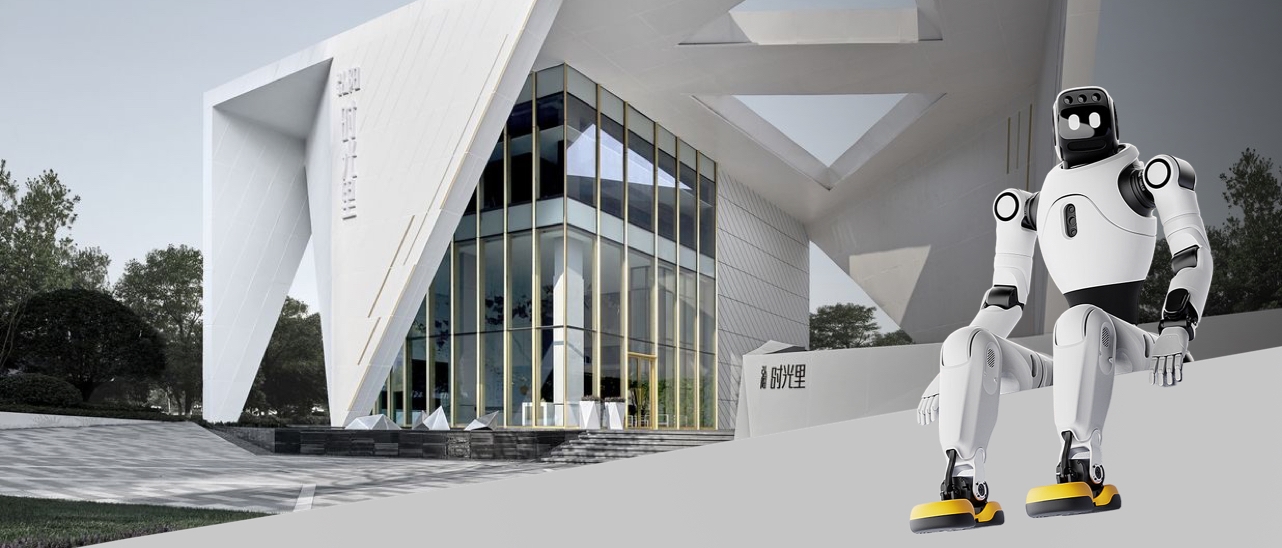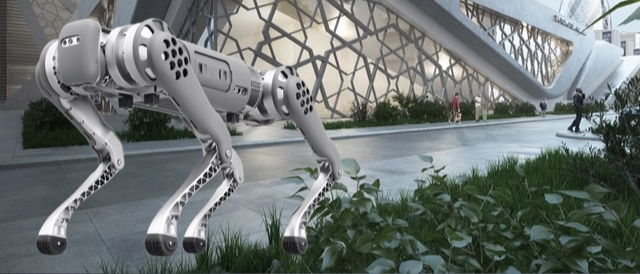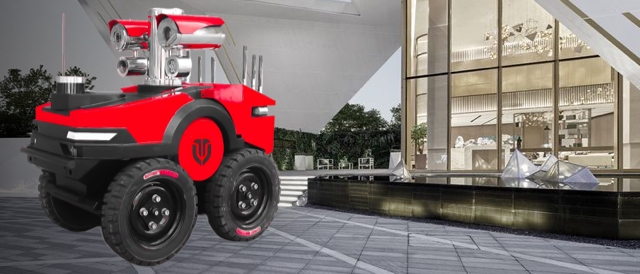
Tráchtála
Déan iniúchadh ar Tráchtála le hachoimre neodrach ar theicneolaíocht, feidhmchláir, buntáistí agus critéir roghnúcháin le haghaidh réitigh róbat nua-aimseartha.
Réamhrá agus forbhreathnú
Forbhreathnú gairid: Déan iniúchadh ar Tráchtála le hachoimre neodrach, bunaithe ar fhíorais, ar theicneolaíocht, ar fheidhmchláir, ar thairbhí agus ar chritéir roghnúcháin do réitigh róbat nua-aimseartha.
Tá Tráchtála mar chuid de mhargadh róbataic atá ag méadú go tapa, ina gcuirtear uathoibriú, intleacht shaorga, braiteoirí agus córais láidre mheicniúla le chéile chun tascanna praiticiúla a réiteach i dtionscal, i seirbhís, i dtaighde agus in oibríochtaí poiblí. Ba cheart go dtuigfí catagóir robot nua-aimseartha mar níos mó ná meaisín aonair: cuimsíonn sé crua-earraí, bogearraí, feidhmeanna sábháilteachta, comhtháthú, oiliúint, cothabháil agus an comhthéacs gnó ina gcruthaíonn an teicneolaíocht luach. Soláthraíonn an leathanach seo forbhreathnú cuimsitheach, údarásach agus cuardaigh optamaithe ar Tráchtála do chinnteoirí, innealtóirí, ceannaitheoirí, oideachasóirí agus taighdeoirí.
Tá an tsuim in Tráchtála á thiomáint ag an ngá atá le táirgiúlacht níos airde, le cáilíocht sonraí níos fearr, le próisis níos comhsheasmhaí agus le láimhseáil níos sábháilte ar thascanna a d’fhéadfadh a bheith trom, athchleachtach, contúirteach nó am-íditheach do dhaoine. Nuair a dhéanann eagraíochtaí taighde ar Tráchtála, Tráchtála a cheannach ar díol, praghas Tráchtála nó costas Tráchtála, is annamh a dhéantar cinneadh maidir le ceannach. Áiríonn sé freisin an saolré iomlán: sonraíocht, cur chun feidhme, oiliúint oibreoirí, seirbhís, páirteanna breise, nuashonruithe bogearraí, cibearshlándáil agus tacaíocht fhadtéarmach.
Dearadh agus gnéithe
Athraíonn dearadh Tráchtála de réir taisc, timpeallachta agus neamhspleáchais ionchais. Tá roinnt córas stáiseanóireachta agus optamaithe le haghaidh beachtas, agus tá córais eile soghluaiste agus tógtha le haghaidh loingseoireachta i spásanna casta. De ghnáth comhcheanglaíonn réitigh robot iontaofa cobhsaíocht mheicniúil, gníomhaithe iontaofa, comhleá braiteoirí, comhéadain iomasach úsáideora agus prótacail sábháilteachta doiciméadaithe. Tá rochtain seirbhíse, modúlacht agus eirgeanamaíocht tábhachtach freisin toisc go n-oibríonn róbait go minic in aice le hoibreoirí, teicneoirí, custaiméirí nó trealamh uathoibrithe eile.
I measc na ngnéithe tipiciúla d’fhéadfadh go n-áireofaí sreafaí oibre in-ríomhchláraithe, cianfhaireachán, oiriúintí modúlacha, diagnóisic fhíor-ama, brath imbhuailtí, ceamaraí, LiDAR, braiteoirí fórsa, greamairí, bainistíocht ceallraí agus comhtháthú le córais TF nó uathoibrithe atá ann cheana féin. Maidir le catagóirí fóin phóca, is minic a bhíonn tábhacht le mapáil, pleanáil bealaigh, seachaint constaicí agus bainistiú cabhlaigh. Maidir le robots a oibríonn gar do dhaoine, is ceanglais deartha riachtanacha iad teorannú luais, stad éigeandála, iomarcaíocht agus cumarsáid stádas soiléir.
Teicneolaíocht agus sonraíochtaí
De ghnáth is meascán de mheicnic, leictreonaic agus bogearraí an teicneolaíocht taobh thiar de Tráchtála. Féadfaidh róbat mótair leictreacha, tiomántáin armónacha, gníomhaithe líneacha, comhpháirteanna hiodrálacha nó hailt speisialaithe a úsáid ag brath ar riachtanais fórsa, luas agus beachtas. Láimhseálann rialtóirí tionsclaíocha, ríomhairí imeallacha nó córais leabaithe an rialú a phróiseálann sonraí braite agus a thiontú ina ghluaiseacht, ina loingseoireacht nó ina gcinntí.
Ba cheart sonraíochtaí a mheas i gcoinne an iarratais bheartaithe i gcónaí. I measc na bparaiméadar ábhartha tá pálasta, teacht, am rite, am luchtaithe, luas, cruinneas suímh, rátáil IP, teocht oibriúcháin, prótacail chumarsáide, deimhnithe sábháilteachta, API bogearraí agus comhoiriúnacht cúlpháirtí. Is féidir le praghas ceannaigh íseal a bheith níos lú tábhacht ná oibriú cobhsaí, doiciméadú agus seirbhís, agus ní dhéanann samhail chun cinn ciall ach amháin nuair a úsáidtear a chumais i ndáiríre sa sreabhadh oibre.
Iarratais agus cásanna úsáide
Is féidir Tráchtála a úsáid ar fud déantúsaíochta, lóistíochta, iniúchta, oideachais, taighde, cúram sláinte, seirbhíse, slándála agus oibríochtaí allamuigh. I dtimpeallachtaí tionsclaíocha, cabhraíonn robots le tréchur a fheabhsú, earráidí a laghdú agus próisis níos intuartha a chruthú. I dtimpeallachtaí seirbhíse nó custaiméirí, is féidir leo feabhas a chur ar infhaighteacht, ar sheachadadh faisnéise agus ar ghnáthláimhseáil tascanna. I dtaighde agus forbairt, is féidir le hardáin robot loingseoireacht, ionramháil, idirghníomhaíocht daonna-robot agus cinnteoireacht bunaithe ar AI a thástáil.
Ba cheart d'eagraíochtaí an fhadhb a shainiú sula roghnaíonn siad an teicneolaíocht. Déanann sonraíocht riachtanas maith cur síos ar an tasc, an timpeallacht, an pálasta, na riachtanais sábháilteachta, na pointí comhtháthaithe, leibhéal scileanna an oibreora, na ceanglais sonraí agus an timthriall seirbhíse a bhfuiltear ag súil leis. Is féidir Tráchtála a chur i gcomparáid ansin trí úsáid a bhaint as tréithe infhíoraithe seachas éilimh mhargaíochta leathana. Laghdaíonn sé seo an riosca soláthair agus éascaíonn sé cinneadh a dhéanamh ar cheart an réiteach a bheith caighdeánach, saincheaptha nó mar chuid de thionscadal uathoibrithe níos mó.
Buntáistí agus teorainneacha
Áirítear go hiondúil ar phríomhbhuntáistí Tráchtála éifeachtacht níos airde, in-atrialltacht fheabhsaithe, sábháilteacht níos fearr, gabháil sonraí níos láidre agus an cumas daoine a scaoileadh saor ó obair aontonach nó rioscúil. Is féidir le róbait oibriú le próisis chobhsaí, imeachtaí a dhoiciméadú agus torthaí a sheachadadh atá deacair a choinneáil de láimh thar thréimhsí fada. I gcás go leor eagraíochtaí, mar sin is cumas straitéiseach í róbataic seachas ceannach trealaimh shimplí.
Ba cheart teorainneacha a mheas go réalaíoch. Éilíonn cur i bhfeidhm pleanáil, tástáil, oiliúint, comhtháthú agus uaireanta athruithe ar shreafaí oibre atá ann cheana féin. D'fhéadfadh braiteoirí breise, oiriúnú bogearraí nó maoirseacht dhaonna a bheith ag teastáil ó thimpeallachtaí ina bhfuil go leor athróg dothuartha. Áirítear leis an eacnamaíocht iomlán ní hamháin éadáil, ach freisin cothabháil, páirteanna breise, comhaontuithe seirbhíse, tomhaltas fuinnimh, cibearshlándáil agus tógáil inniúlachta inmheánaigh. Ar an ábhar sin, ba cheart praghas Tráchtála agus costas Tráchtála a thuiscint mar chostas iomlán na húinéireachta, ní mar uimhir aonair.
Ceannach, meastóireacht agus cur i bhfeidhm
Nuair a dhéanann úsáideoirí cuardach ar Tráchtála nó Tráchtála a cheannach le díol, is é an pointe tosaigh is fearr ná an leathanach catagóir ábhartha, áit ar féidir samhlacha, gabhálais agus réitigh ghaolmhara a chur i gcomparáid sa chomhthéacs céanna. Is féidir le dáileoir cabhrú le comhoiriúnacht, barántas, oiliúint, doiciméadú, seachadadh agus tacaíocht a shoiléiriú. Níl praghsanna sonracha liostaithe anseo toisc go mbraitheann praghsáil cheart ar chumraíocht, toirt, gabhálais, leibhéal tacaíochta, seachadadh agus aon riachtanais chomhtháthaithe.
Cuimsíonn cur chun feidhme struchtúrtha anailís riachtanas, bailíochtú teicniúil, treoirthionscadal, measúnú riosca, oiliúint oibreoirí agus barrfheabhsú leanúnach. Ba cheart critéir ratha a dhoiciméadú roimh ré: uptime, am timthriallta, ráta earráide, teagmhais sábháilteachta, úsáid fuinnimh, cáilíocht sonraí agus glacadh úsáideoirí. Fágann sin gur féidir Tráchtála a mheas go hoibiachtúil tar éis an imscartha.
CCanna
Cad é Tráchtála?
Tagraíonn Tráchtála do réitigh róbait, córais nó catagóirí atá deartha le haghaidh tascanna sonracha in uathoibriú, i seirbhís, i dtaighde, in oibríochtaí nó in obair allamuigh.
Conas a oibríonn Tráchtála?
Oibríonn Tráchtála trí chomhpháirteanna meicniúla, braiteoirí, rialaitheoirí agus bogearraí a bhraitheann an timpeallacht agus a dhéanann gníomhaíochtaí ríomhchláraithe nó uathrialacha a chomhcheangal.
Cén fáth a bhfuil Tráchtála tábhachtach?
Tá Tráchtála tábhachtach mar is féidir leis an róbataic sábháilteacht, táirgiúlacht, cruinneas agus cinnteoireacht bunaithe ar shonraí a fheabhsú in eagraíochtaí nua-aimseartha.
Cad iad na buntáistí a bhaineann le Tráchtála?
I measc na mbuntáistí tá próisis níos comhsheasmhaí, ualach oibre láimhe laghdaithe, doiciméadú níos fearr, infhaighteacht níos airde agus an cumas tascanna casta nó guaiseacha a uathoibriú.
Cad a théann i bhfeidhm ar phraghas Tráchtála agus ar chostas Tráchtála?
Bíonn tionchar ag cumraíocht, gabhálais, bogearraí, tacaíocht, seachadadh, comhtháthú, oiliúint agus cothabháil fhadtéarmach ar phraghas agus ar chostas. Úsáid an leathanach catagóir céanna chun measúnú ábhartha a iarraidh.
Cá háit ar féidir liom Tráchtála a cheannach?
Is é an bealach is ábhartha ná an leathanach catagóir seo a úsáid chun na roghanna atá ar fáil a chur i gcomparáid agus dul i dteagmháil leis an dáileoir maidir le cumraíocht, infhaighteacht agus na chéad chéimeanna eile.
Achoimre
Is cuid thábhachtach de róbataic agus uathoibriú nua-aimseartha é Tráchtála. Leis an tsonraíocht cheart, an t-athbhreithniú teicniúil agus an plean cur chun feidhme, is féidir leis an gcatagóir tacú le próisis níos sábháilte, níos éifeachtaí agus níos inscálaithe trasna na dtionscal agus na bhfeidhmchlár.
Commercial
In UBTECH’s own structure, commercial robotics is separate from its industrial, AI education, logistics, and consumer segments. The company’s commercial portfolio currently centers on humanoid service robots, cloud-based intelligent service robots, wheeled humanoid robots, and related service solutions for places such as exhibition halls, transport hubs, office buildings, pharmacies, hospitals, retail stores, and supermarkets.
The commercial lineup shown on UBTECH’s official sites includes products such as Walker C, Walker X, Cruzr S2, Cruzr 1S, and commercial cleaning or delivery systems marketed through UBTECH’s commercial platform. UBTECH’s commercial page frames these products as tools for “enterprise intelligent operations” and “business scenario innovation,” which is a useful summary of how the company positions its commercial robot business.
Design and Features
Product Categories Within UBTECH Commercial Robotics
UBTECH’s current commercial robot ecosystem is not a single machine but a family of platforms. On its commercial solutions page, UBTECH highlights Walker C as a humanoid service robot, Cruzr 1S as a cloud-based intelligent service robot, Cruzr S2 as a full-sized wheeled humanoid robot, and a one-stop service robot station focused on delivery, air purification, and patrol functions. That mix shows UBTECH is targeting both interactive front-of-house service and practical operational automation.
The company’s humanoid line is especially prominent. UBTECH’s application-scenarios page separates humanoids into Industrial products like Walker S-series and Commercial products like Walker C and Walker X, while also showing Cruzr S2 as a wheeled humanoid and Panda Robot as a specialized public-interaction platform. This suggests UBTECH treats commercial humanoids as a core part of its business strategy rather than as one-off demonstration products.
Human-Centered Design
UBTECH’s commercial robots are designed primarily for shared human environments rather than factory cells. Official scenario pages emphasize reception, guidance, live Q&A support, office greeting, retail assistance, airport services, and exhibition tours. That means the design priorities are not just locomotion and payload, but also appearance, communication, navigation safety, multilingual interaction, and ease of deployment.
Walker C illustrates this particularly well. UBTECH describes it as a full-size, electric-driven embodied intelligent humanoid robot powered by its self-developed Embodied Interactive Large Model, with multilingual interaction for exhibition halls and office buildings. Official application descriptions list greeting and reception, smart guide services, AI curator-style narration, and entertainment-oriented human-robot interaction.
Walker X, by contrast, emphasizes more advanced physical capability. UBTECH says it incorporates six AI technologies, upgraded vision-based navigation, hand-eye coordination, and a comprehensive perception system. The product page also lists 41 high-performance servo joints, a 160° face-surrounding 4.6K HD dual flexible curved screen, a 4-dimensional light language system, modular design, and a removable battery.
Technology and Specifications
Core Technology Stack
UBTECH says its broader robotics platform is built on full-stack humanoid technologies that combine robotic motion planning and control, high-performance servo actuators, AI systems modeled on human-like brain and cerebellum functions, SLAM and autonomous technology, visual servo operation, and human-robot interaction. That matters because UBTECH’s commercial robots are not presented as isolated devices; they are built on a common in-house robotics technology base.
Walker C Specifications
Walker C is one of UBTECH’s clearest commercial humanoid examples because the official page publishes a visible specification block. UBTECH lists Walker C at 163 cm height, 43 kg weight, 20 degrees of freedom, 48V 15Ah lithium battery, 1.5 hours charging time, 2 hours walking time, 4 hours standing time, RGBD cameras, structured-light 3D cameras, high-precision inertial measurement, and Wi-Fi/Bluetooth connectivity. UBTECH also states Walker C maintains a steady running pace of 6 km/h and uses U-SLAM navigation for autonomous tour routing.
Walker X Specifications
Walker X’s official page provides a different profile. UBTECH lists 130 cm height, 63 kg weight, and 41 high-performance servo joints. It also highlights U-SLAM navigation and autonomous path planning, excellent environment and human perception, and hand-eye coordination for object manipulation. UBTECH states that Walker X uses a four-eye system, dual RGBD sensors, 7-DOF robot arms, and 6-DOF force-controlled human-like hands, and says it can operate objects such as refrigerators, coffee machines, and vacuum cleaners.
Commercial Cleaning and Service Systems
UBTECH’s commercial site also promotes non-humanoid service robots. Its commercial cleaning pages describe CLEINBOT CC201 as an intelligent commercial cleaning robot with compact design, flexible automatic navigation, efficient cleaning, and full-coverage operation, while CLEINBOT M79 is positioned for medium and large areas with 120-liter dual water tanks and a cleaning chassis designed for deep cleaning without damaging floors. These products show that UBTECH’s commercial strategy extends beyond humanoids into practical service robotics for facilities management.
Applications and Use Cases
Exhibition Halls and Museums
UBTECH heavily emphasizes exhibition halls as a commercial application. Walker robots are described as supporting multimodal interaction through text, voice, vision, motion, and environmental elements, with official use cases including visitor reception, guidance and introduction, AIoT control, and entertainment performance. UBTECH’s commercial page also cites deployments at the China Pavilion at Expo 2025 Osaka, Yunnan Provincial Museum, MoCA Shanghai, and the Ping An International Smart City Exhibition Hall.
Office Buildings and Service Centers
UBTECH explicitly lists office buildings and service centers as commercial scenarios. Walker C is presented for office building greeting and reception and service-center live Q&A support, while UBTECH’s application-scenarios page says Walker can integrate accurate face recognition with digital surveillance to greet visitors, automatically scan them, serve drinks, and control smart devices.
Airports and Transport Hubs
UBTECH also targets transport hubs and airports. Walker C’s official page lists “transport hubs” as a smart guide scenario, while the commercial solutions page names airport service robotic solutions and cites deployments at Shenzhen Baoan International Airport, Paris Charles de Gaulle Airport, Chengdu Tianfu International Airport, and Kunming Changshui International Airport.
Retail and Supermarkets
Retail is another major vertical in UBTECH’s commercial strategy. The company says its multi-scenario solutions are designed for retail and supermarkets, and the official commercial page cites real-world examples including BYD’s overseas stores, Denza vehicle showrooms, Easyhome retail stores, and Alibaba Koubei smart restaurant activity. This suggests UBTECH sees commercial robots as tools for both retail assistance and brand-experience environments.
Public Services, Healthcare, and Facilities
UBTECH’s official commercial page also mentions pharmacies, hospitals, and public services, and lists cases such as the Shenzhen Administrative Service Hall, Nanshan Exit-Entry Administration, and Nanshan District Administration of State Taxation. Combined with its cleaning-robot lineup, this points to a commercial robotics business that includes both customer-facing interaction and behind-the-scenes operational support.
Advantages / Benefits
One of UBTECH commercial robots’ main advantages is portfolio breadth. The company is not limited to one format; it offers bipedal humanoids, wheeled humanoids, cloud-based service robots, and cleaning robots, which lets it address different customer needs with different embodiments. That flexibility is unusual compared with robotics vendors focused on a single niche.
A second advantage is full-stack technology ownership. UBTECH says it independently developed its humanoid robotics stack, from servo actuators to SLAM and human-robot interaction, and by June 2025 held more than 2,790 robotics- and AI-related patents, with nearly 58% invention patents. That level of in-house technology development can matter to enterprise buyers looking for long-term platform continuity.
A third advantage is proven commercial deployment across visible public scenarios. UBTECH’s official case lists cover expo pavilions, museums, airports, office services, retail locations, and government halls. That does not prove universal maturity across every product, but it does show that UBTECH commercial robots are being positioned and demonstrated in actual business settings rather than only in laboratories.
FAQ Section
What are UBTECH commercial robots?
UBTECH commercial robots are the company’s business-oriented service robots for scenarios such as exhibition halls, office buildings, transport hubs, retail stores, supermarkets, pharmacies, hospitals, and public-service venues. The lineup includes humanoids, wheeled service robots, and cleaning robots.
How do UBTECH commercial robots work?
They combine autonomous navigation, perception sensors, AI interaction, and task-specific hardware. Depending on the model, they may greet visitors, guide tours, answer questions, carry items, clean floors, or assist with sorting and handling. UBTECH says its broader platform includes SLAM, visual servo operation, human-robot interaction, and ROSA 2.0.
Why are UBTECH commercial robots important?
They are important because they show how one robotics company is commercializing humanoid and service robots across multiple business scenarios, from exhibitions and airports to offices and retail. UBTECH also positions its Walker platform as the first commercialized biped life-sized humanoid robot in China.
What are the benefits of UBTECH commercial robots?
The main benefits are multiscenario deployment, humanoid and wheeled platform options, AI-driven interaction, autonomous navigation, and support for operational efficiency and customer-facing service innovation. For some products, the benefit is human-like interaction; for others, it is practical delivery or cleaning automation.
Are UBTECH commercial robots the same as UBTECH industrial robots?
No. UBTECH separates commercial products such as Walker C and Walker X from industrial products such as the Walker S series. Commercial robots focus on service and interaction settings, while industrial robots focus on manufacturing tasks.
Summary
UBTECH commercial robots are a broad portfolio of business-oriented service robots that include humanoid service robots, wheeled service robots, delivery systems, and cleaning robots. Official UBTECH materials show a commercial strategy focused on exhibition halls, airports, office buildings, retail, public services, pharmacies, and hospitals, supported by a full-stack robotics technology base and a growing list of public deployment cases. For organizations researching current commercial service robotics from UBTECH, the company stands out for combining humanoid interaction, enterprise service automation, and multi-scenario commercial deployment in one product ecosystem.