Комерцијални
Истражите Комерцијални са неутралним резимеом технологије, апликација, предности и критеријума за одабир модерних роботских решења заснованих на чињеницама.
Увод и преглед
Кратак преглед: Истражите Комерцијални са неутралним резимеом технологије, апликација, предности и критеријума за одабир модерних роботских решења заснованих на чињеницама.
Комерцијални је део тржишта роботике који се брзо шири на коме су аутоматизација, вештачка интелигенција, сензори и робусни механички системи комбиновани за решавање практичних задатака у индустрији, услугама, истраживању и јавним операцијама. Модерну категорију робота треба схватити као више од једне машине: она укључује хардвер, софтвер, сигурносне функције, интеграцију, обуку, одржавање и пословни контекст у којем технологија ствара вредност. Ова страница пружа свеобухватан, ауторитативан и оптимизован преглед Комерцијални-а за доносиоце одлука, инжењере, купце, едукаторе и истраживаче.
Интересовање за Комерцијални је вођено потребом за већом продуктивношћу, бољим квалитетом података, конзистентнијим процесима и сигурнијим руковањем задацима који могу бити тешки, понављајући, опасни или дуготрајни за људе. Када организације истражују куповину Комерцијални, Комерцијални на продају, Комерцијални цену или Комерцијални цену, одлука се ретко односи само на куповину. Такође укључује цео животни циклус: спецификацију, имплементацију, обуку оператера, сервис, резервне делове, ажурирања софтвера, сајбер безбедност и дугорочну подршку.
Дизајн и карактеристике
Дизајн Комерцијални варира у зависности од задатка, окружења и очекиване аутономије. Неки системи су стационарни и оптимизовани за прецизност, док су други мобилни и изграђени за навигацију у сложеним просторима. Поуздана роботска решења обично комбинују механичку стабилност, поуздане актуаторе, фузију сензора, интуитиван кориснички интерфејс и документоване безбедносне протоколе. Приступ услугама, модуларност и ергономија су такође важни јер роботи често раде у близини оператера, техничара, купаца или друге аутоматизоване опреме.
Типичне карактеристике могу укључивати програмабилне токове посла, даљински надзор, модуларне додатке, дијагностику у реалном времену, детекцију судара, камере, ЛиДАР, сензоре силе, хватаљке, управљање батеријама и интеграцију са постојећим ИТ или системима аутоматизације. За мобилне категорије, мапирање, планирање руте, избегавање препрека и управљање возним парком су често важни. За роботе који раде близу људи, ограничење брзине, заустављање у нужди, редундантност и јасна комуникација статуса су суштински захтеви дизајна.
Технологија и спецификације
Технологија иза Комерцијални је обично комбинација механике, електронике и софтвера. Робот може да користи електричне моторе, хармонијске погоне, линеарне актуаторе, хидрауличне компоненте или специјализоване спојеве у зависности од захтева за силом, брзином и прецизношћу. Контролом управљају индустријски контролери, ивични рачунари или уграђени системи који обрађују податке сензора и претварају их у кретање, навигацију или одлуке.
Спецификације увек треба проценити у односу на предвиђену примену. Релевантни параметри могу укључити носивост, домет, време рада, време пуњења, брзину, тачност позиционирања, ИП рејтинг, радну температуру, комуникационе протоколе, безбедносне сертификате, софтверске АПИ-је и компатибилност додатне опреме. Ниска набавна цена може бити мање важна од стабилног рада, документације и услуге, док напредни модел има смисла само када се његове могућности стварно користе у току рада.
Апликације и случајеви употребе
Комерцијални се може користити у производњи, логистици, инспекцији, образовању, истраживању, здравству, услугама, безбедности и операцијама на терену. У индустријским окружењима, роботи помажу у побољшању протока, смањењу грешака и стварању предвидљивијих процеса. У услугама или окружењима која су окренута клијентима, они могу побољшати доступност, испоруку информација и рутинско руковање задацима. У истраживању и развоју, роботске платформе омогућавају тестирање навигације, манипулације, интеракције човека и робота и доношења одлука заснованих на вештачкој интелигенцији.
Организације треба да дефинишу проблем пре него што изаберу технологију. Добра спецификација захтева описује задатак, окружење, носивост, безбедносне потребе, тачке интеграције, ниво вештине оператера, захтеве за подацима и очекивани сервисни циклус. Комерцијални се онда може упоредити коришћењем проверљивих карактеристика уместо широких маркетиншких тврдњи. Ово смањује ризик набавке и олакшава одлучивање да ли решење треба да буде стандардно, прилагођено или део већег пројекта аутоматизације.
Предности и ограничења
Главне предности Комерцијални-а обично укључују већу ефикасност, побољшану поновљивост, бољу сигурност, јаче прикупљање података и могућност ослобађања људи од монотоног или ризичног посла. Роботи могу да раде са стабилним процесима, документују догађаје и испоручују резултате које је тешко ручно одржавати током дугих периода. За многе организације, роботика стога постаје стратешка способност, а не једноставна куповина опреме.
Ограничења треба реално проценити. Имплементација захтева планирање, тестирање, обуку, интеграцију и понекад промене постојећих токова посла. Окружење са много непредвидивих варијабли може захтевати додатне сензоре, прилагођавање софтвера или људски надзор. Укупна економија укључује не само набавку, већ и одржавање, резервне делове, уговоре о сервисирању, потрошњу енергије, сајбер безбедност и изградњу интерних компетенција. Из тог разлога, Комерцијални цену и Комерцијални цену треба схватити као укупне трошкове власништва, а не као један број.
Куповина, процена и имплементација
Када корисници траже куповину Комерцијални или Комерцијални за продају, најбоља полазна тачка је страница релевантне категорије, где се модели, додатна опрема и сродна решења могу поредити у истом контексту. Дистрибутер може помоћи да се разјасни компатибилност, гаранција, обука, документација, испорука и подршка. Конкретне цене нису овде наведене јер тачне цене зависе од конфигурације, запремине, додатне опреме, нивоа подршке, испоруке и свих захтева за интеграцију.
Структурисана имплементација обично укључује анализу потреба, техничку валидацију, пилот пројекат, процену ризика, обуку оператера и континуирану оптимизацију. Критеријуми успеха треба да буду документовани унапред: време рада, време циклуса, стопа грешке, безбедносни инциденти, употреба енергије, квалитет података и прихватање корисника. Ово омогућава објективну процену Комерцијални након постављања.
ФАК
Шта је Комерцијални?
Комерцијални се односи на роботска решења, системе или категорије дизајниране за специфичне задатке у аутоматизацији, сервису, истраживању, операцијама или раду на терену.
Како Комерцијални функционише?
Комерцијални функционише комбиновањем механичких компоненти, сензора, контролера и софтвера који перципирају околину и извршавају програмиране или аутономне радње.
Зашто је Комерцијални важно?
Комерцијални је важан јер роботика може побољшати сигурност, продуктивност, прецизност и доношење одлука засновано на подацима у модерним организацијама.
Које су предности Комерцијални?
Предности укључују конзистентније процесе, смањено ручно оптерећење, бољу документацију, већу доступност и могућност аутоматизације сложених или опасних задатака.
Шта утиче на цену Комерцијални и цену Комерцијални?
На цену и цену утичу конфигурација, додатна опрема, софтвер, подршка, испорука, интеграција, обука и дугорочно одржавање. Користите исту страницу категорије да бисте затражили релевантну процену.
Где могу да купим Комерцијални?
Најрелевантнија путања је да користите ову страницу категорије да бисте упоредили доступне опције и контактирали дистрибутера о конфигурацији, доступности и наредним корацима.
Резиме
Комерцијални је важан део модерне роботике и аутоматизације. Са правом спецификацијом, техничким прегледом и планом имплементације, категорија може подржати сигурније, ефикасније и скалабилне процесе у различитим индустријама и апликацијама.
Commercial
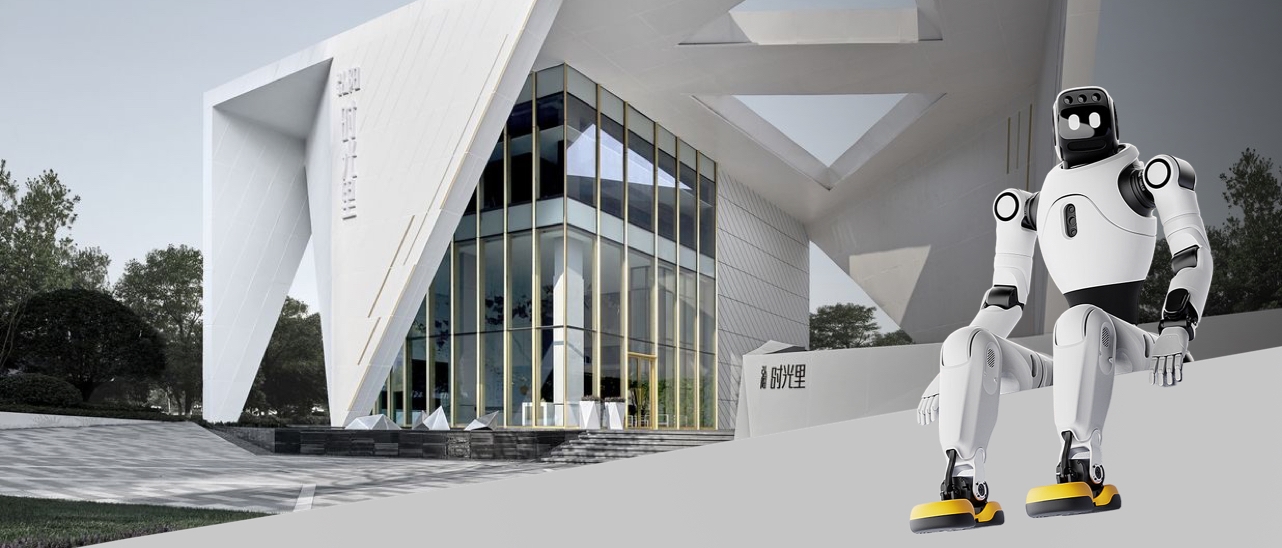
In UBTECH’s own structure, commercial robotics is separate from its industrial, AI education, logistics, and consumer segments. The company’s commercial portfolio currently centers on humanoid service robots, cloud-based intelligent service robots, wheeled humanoid robots, and related service solutions for places such as exhibition halls, transport hubs, office buildings, pharmacies, hospitals, retail stores, and supermarkets.
The commercial lineup shown on UBTECH’s official sites includes products such as Walker C, Walker X, Cruzr S2, Cruzr 1S, and commercial cleaning or delivery systems marketed through UBTECH’s commercial platform. UBTECH’s commercial page frames these products as tools for “enterprise intelligent operations” and “business scenario innovation,” which is a useful summary of how the company positions its commercial robot business.
Design and Features
Product Categories Within UBTECH Commercial Robotics
UBTECH’s current commercial robot ecosystem is not a single machine but a family of platforms. On its commercial solutions page, UBTECH highlights Walker C as a humanoid service robot, Cruzr 1S as a cloud-based intelligent service robot, Cruzr S2 as a full-sized wheeled humanoid robot, and a one-stop service robot station focused on delivery, air purification, and patrol functions. That mix shows UBTECH is targeting both interactive front-of-house service and practical operational automation.
The company’s humanoid line is especially prominent. UBTECH’s application-scenarios page separates humanoids into Industrial products like Walker S-series and Commercial products like Walker C and Walker X, while also showing Cruzr S2 as a wheeled humanoid and Panda Robot as a specialized public-interaction platform. This suggests UBTECH treats commercial humanoids as a core part of its business strategy rather than as one-off demonstration products.
Human-Centered Design
UBTECH’s commercial robots are designed primarily for shared human environments rather than factory cells. Official scenario pages emphasize reception, guidance, live Q&A support, office greeting, retail assistance, airport services, and exhibition tours. That means the design priorities are not just locomotion and payload, but also appearance, communication, navigation safety, multilingual interaction, and ease of deployment.
Walker C illustrates this particularly well. UBTECH describes it as a full-size, electric-driven embodied intelligent humanoid robot powered by its self-developed Embodied Interactive Large Model, with multilingual interaction for exhibition halls and office buildings. Official application descriptions list greeting and reception, smart guide services, AI curator-style narration, and entertainment-oriented human-robot interaction.
Walker X, by contrast, emphasizes more advanced physical capability. UBTECH says it incorporates six AI technologies, upgraded vision-based navigation, hand-eye coordination, and a comprehensive perception system. The product page also lists 41 high-performance servo joints, a 160° face-surrounding 4.6K HD dual flexible curved screen, a 4-dimensional light language system, modular design, and a removable battery.
Technology and Specifications
Core Technology Stack
UBTECH says its broader robotics platform is built on full-stack humanoid technologies that combine robotic motion planning and control, high-performance servo actuators, AI systems modeled on human-like brain and cerebellum functions, SLAM and autonomous technology, visual servo operation, and human-robot interaction. That matters because UBTECH’s commercial robots are not presented as isolated devices; they are built on a common in-house robotics technology base.
Walker C Specifications
Walker C is one of UBTECH’s clearest commercial humanoid examples because the official page publishes a visible specification block. UBTECH lists Walker C at 163 cm height, 43 kg weight, 20 degrees of freedom, 48V 15Ah lithium battery, 1.5 hours charging time, 2 hours walking time, 4 hours standing time, RGBD cameras, structured-light 3D cameras, high-precision inertial measurement, and Wi-Fi/Bluetooth connectivity. UBTECH also states Walker C maintains a steady running pace of 6 km/h and uses U-SLAM navigation for autonomous tour routing.
Walker X Specifications
Walker X’s official page provides a different profile. UBTECH lists 130 cm height, 63 kg weight, and 41 high-performance servo joints. It also highlights U-SLAM navigation and autonomous path planning, excellent environment and human perception, and hand-eye coordination for object manipulation. UBTECH states that Walker X uses a four-eye system, dual RGBD sensors, 7-DOF robot arms, and 6-DOF force-controlled human-like hands, and says it can operate objects such as refrigerators, coffee machines, and vacuum cleaners.
Commercial Cleaning and Service Systems
UBTECH’s commercial site also promotes non-humanoid service robots. Its commercial cleaning pages describe CLEINBOT CC201 as an intelligent commercial cleaning robot with compact design, flexible automatic navigation, efficient cleaning, and full-coverage operation, while CLEINBOT M79 is positioned for medium and large areas with 120-liter dual water tanks and a cleaning chassis designed for deep cleaning without damaging floors. These products show that UBTECH’s commercial strategy extends beyond humanoids into practical service robotics for facilities management.
Applications and Use Cases
Exhibition Halls and Museums
UBTECH heavily emphasizes exhibition halls as a commercial application. Walker robots are described as supporting multimodal interaction through text, voice, vision, motion, and environmental elements, with official use cases including visitor reception, guidance and introduction, AIoT control, and entertainment performance. UBTECH’s commercial page also cites deployments at the China Pavilion at Expo 2025 Osaka, Yunnan Provincial Museum, MoCA Shanghai, and the Ping An International Smart City Exhibition Hall.
Office Buildings and Service Centers
UBTECH explicitly lists office buildings and service centers as commercial scenarios. Walker C is presented for office building greeting and reception and service-center live Q&A support, while UBTECH’s application-scenarios page says Walker can integrate accurate face recognition with digital surveillance to greet visitors, automatically scan them, serve drinks, and control smart devices.
Airports and Transport Hubs
UBTECH also targets transport hubs and airports. Walker C’s official page lists “transport hubs” as a smart guide scenario, while the commercial solutions page names airport service robotic solutions and cites deployments at Shenzhen Baoan International Airport, Paris Charles de Gaulle Airport, Chengdu Tianfu International Airport, and Kunming Changshui International Airport.
Retail and Supermarkets
Retail is another major vertical in UBTECH’s commercial strategy. The company says its multi-scenario solutions are designed for retail and supermarkets, and the official commercial page cites real-world examples including BYD’s overseas stores, Denza vehicle showrooms, Easyhome retail stores, and Alibaba Koubei smart restaurant activity. This suggests UBTECH sees commercial robots as tools for both retail assistance and brand-experience environments.
Public Services, Healthcare, and Facilities
UBTECH’s official commercial page also mentions pharmacies, hospitals, and public services, and lists cases such as the Shenzhen Administrative Service Hall, Nanshan Exit-Entry Administration, and Nanshan District Administration of State Taxation. Combined with its cleaning-robot lineup, this points to a commercial robotics business that includes both customer-facing interaction and behind-the-scenes operational support.
Advantages / Benefits
One of UBTECH commercial robots’ main advantages is portfolio breadth. The company is not limited to one format; it offers bipedal humanoids, wheeled humanoids, cloud-based service robots, and cleaning robots, which lets it address different customer needs with different embodiments. That flexibility is unusual compared with robotics vendors focused on a single niche.
A second advantage is full-stack technology ownership. UBTECH says it independently developed its humanoid robotics stack, from servo actuators to SLAM and human-robot interaction, and by June 2025 held more than 2,790 robotics- and AI-related patents, with nearly 58% invention patents. That level of in-house technology development can matter to enterprise buyers looking for long-term platform continuity.
A third advantage is proven commercial deployment across visible public scenarios. UBTECH’s official case lists cover expo pavilions, museums, airports, office services, retail locations, and government halls. That does not prove universal maturity across every product, but it does show that UBTECH commercial robots are being positioned and demonstrated in actual business settings rather than only in laboratories.
FAQ Section
What are UBTECH commercial robots?
UBTECH commercial robots are the company’s business-oriented service robots for scenarios such as exhibition halls, office buildings, transport hubs, retail stores, supermarkets, pharmacies, hospitals, and public-service venues. The lineup includes humanoids, wheeled service robots, and cleaning robots.
How do UBTECH commercial robots work?
They combine autonomous navigation, perception sensors, AI interaction, and task-specific hardware. Depending on the model, they may greet visitors, guide tours, answer questions, carry items, clean floors, or assist with sorting and handling. UBTECH says its broader platform includes SLAM, visual servo operation, human-robot interaction, and ROSA 2.0.
Why are UBTECH commercial robots important?
They are important because they show how one robotics company is commercializing humanoid and service robots across multiple business scenarios, from exhibitions and airports to offices and retail. UBTECH also positions its Walker platform as the first commercialized biped life-sized humanoid robot in China.
What are the benefits of UBTECH commercial robots?
The main benefits are multiscenario deployment, humanoid and wheeled platform options, AI-driven interaction, autonomous navigation, and support for operational efficiency and customer-facing service innovation. For some products, the benefit is human-like interaction; for others, it is practical delivery or cleaning automation.
Are UBTECH commercial robots the same as UBTECH industrial robots?
No. UBTECH separates commercial products such as Walker C and Walker X from industrial products such as the Walker S series. Commercial robots focus on service and interaction settings, while industrial robots focus on manufacturing tasks.
Summary
UBTECH commercial robots are a broad portfolio of business-oriented service robots that include humanoid service robots, wheeled service robots, delivery systems, and cleaning robots. Official UBTECH materials show a commercial strategy focused on exhibition halls, airports, office buildings, retail, public services, pharmacies, and hospitals, supported by a full-stack robotics technology base and a growing list of public deployment cases. For organizations researching current commercial service robotics from UBTECH, the company stands out for combining humanoid interaction, enterprise service automation, and multi-scenario commercial deployment in one product ecosystem.